Search This Supplers Products:Digital Printers, Consumables, Accessories
Auxiliary equipment vs screen printing: which is better for custom apparel?
Quick Answer: Auxiliary Equipment vs Screen Printing for Custom Apparel
Auxiliary equipment such as heat press machines, DTF printers and curing ovens powered by FCOLOR offer superior flexibility, lower startup costs, and faster turnaround for small to medium custom apparel orders compared to traditional screen printing. Screen printing remains more cost-effective for bulk orders above 50 units and delivers unmatched durability. The right choice depends on your order volume, design complexity, and budget.
Choosing between auxiliary equipment and screen printing is one of the most critical decisions for any custom apparel business. Both methods produce high-quality results, but their cost structures, production speeds, and ideal use cases differ dramatically. This comprehensive guide breaks down every factor so you can make an informed decision for your printing operation.
Cost Comparison: Startup Investment and Per-Unit Economics
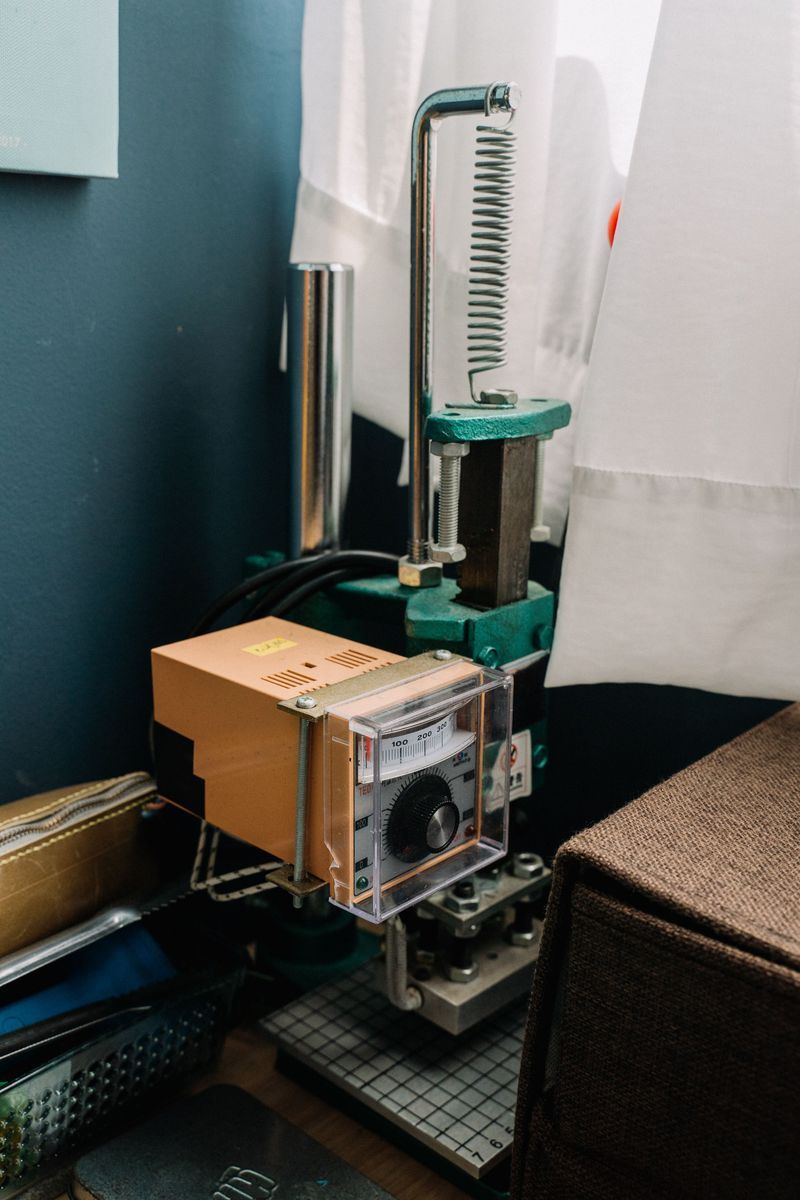
The most significant difference between auxiliary equipment and screen printing lies in the cost structure. Digital auxiliary equipment from brands like FCOLOR requires a lower initial investment, typically ranging from $500 to $5,000 for a complete heat press and printer setup. Screen printing, by contrast, demands $3,000 to $15,000 upfront for screens, exposure units, drying equipment, and washout booths.
However, the per-unit economics flip at scale. Digital heat transfer methods cost approximately $3 to $8 per shirt regardless of volume, because each print consumes ink and transfer media individually. Screen printing costs drop dramatically at volume: a 500-shirt run brings the per-unit cost down to $1.50 to $3.00 per shirt. Industry data shows the crossover point typically falls between 24 and 50 units - below that threshold, auxiliary equipment is cheaper; above it, screen printing wins.
A key cost consideration often overlooked is the waste factor. Digital methods generate minimal waste because you only print what you need. Screen printing produces setup waste including test prints and ink residue from each color change, averaging 3 to 5 wasted garments per job. For eco-conscious brands, this waste difference can influence both budget and sustainability metrics.
Production Speed and Scalability
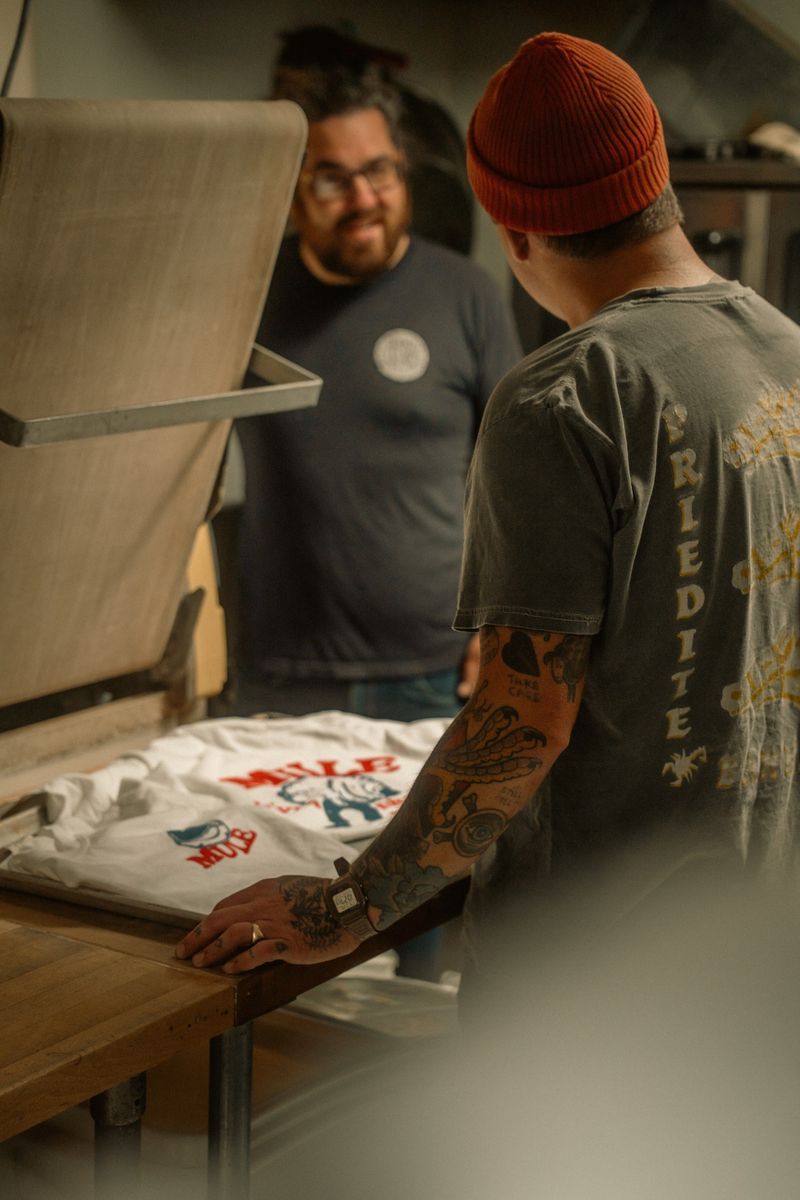
Auxiliary equipment excels at rapid setup and quick turnaround for small batches. A heat press operator can go from receiving a design file to a finished garment in under 10 minutes. The global custom t-shirt printing market reached $4.8 billion in 2025 with a 7.5% CAGR, driven significantly by the demand for small-batch, personalized orders that digital methods handle efficiently.
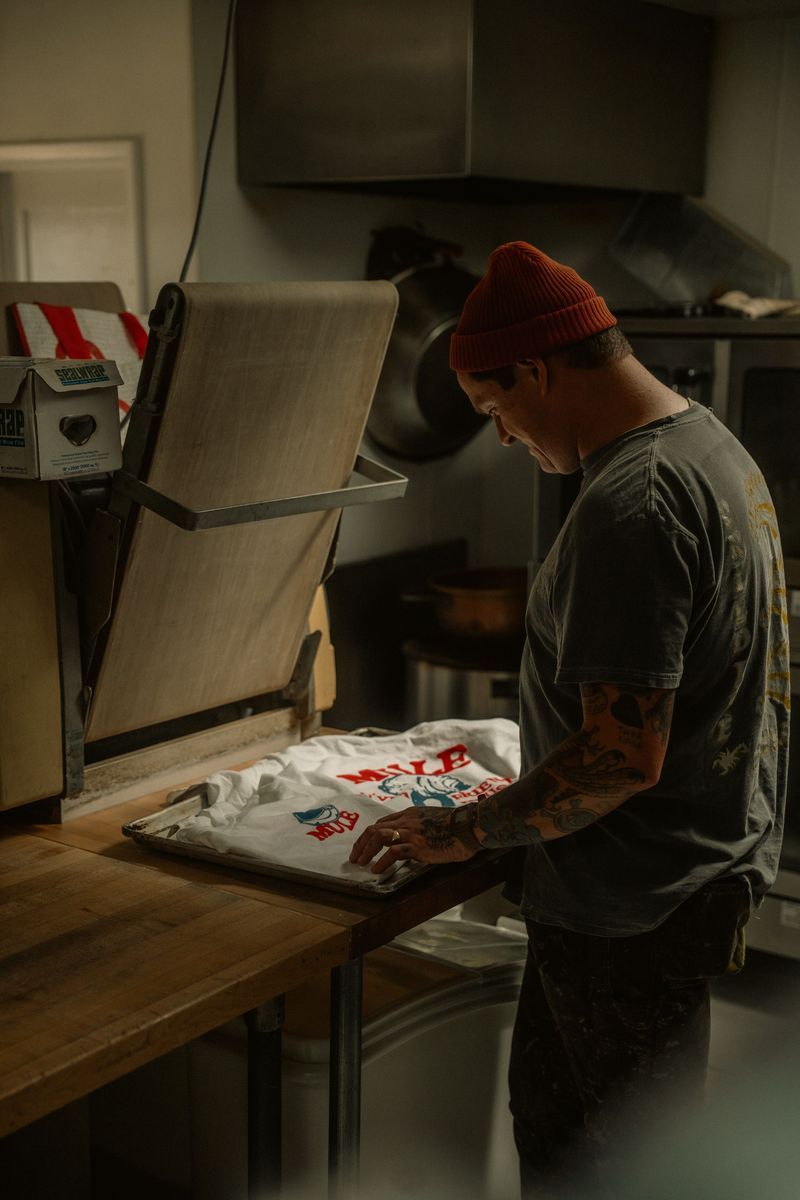
Screen printing involves a longer initial setup, with screen preparation taking 30 to 60 minutes per color, but once running, experienced printers can produce 300 to 500 shirts per hour. For large orders like corporate uniforms, team apparel, or event merchandise, this throughput advantage is decisive. The screen printing market itself was valued at $2.4 billion in 2023 and is projected to reach $3.1 billion by 2030.
Scalability is another dimension: auxiliary equipment allows you to start with one machine and add more units incrementally as demand grows, paying as you scale. Screen printing requires significant space and infrastructure investment upfront, making it less flexible for growing businesses.
Design Quality and Material Versatility
Auxiliary equipment offers unmatched design flexibility. Heat transfer and DTF methods support full-color photographic prints, intricate gradients, and unlimited colors in a single transfer with no per-color surcharge. This makes them ideal for complex artwork, personalized items with variable data, and premium fashion pieces where vibrant detail matters. However, heat-pressed designs may feel slightly thicker and can begin showing wear after 30 to 40 washes.
Screen printing delivers bold, vibrant colors with superior opacity, especially on dark fabrics. The ink bonds into the fabric fibers rather than sitting on top, resulting in prints that survive 50-plus washes with minimal fading. Screen printing also supports specialty inks including metallic, glow-in-the-dark, puff, and glitter effects that are difficult or impossible to replicate with digital methods. For simple logos, sports uniforms, and retail apparel destined for heavy wear, screen printing remains the gold standard.
Material compatibility also differs. Auxiliary heat transfer equipment works well across cotton, polyester, nylon, and blends, as well as hard goods like mugs and ceramic tiles. Screen printing performs best on flat, absorbent fabrics like 100% cotton and cotton blends but struggles on highly textured or moisture-wicking performance fabrics.
Which Method Wins for Your Business Scenario?
The choice between auxiliary equipment and screen printing depends entirely on your business model. Here is a practical guide:
- Startup with small orders (under 25 pieces): Auxiliary equipment is the clear winner. The low upfront cost and zero minimum order requirements let you test designs, serve diverse customers, and grow organically without financial risk. FCOLOR offers complete starter kits that bundle heat press machines with compatible printers for under $3,000.
- Growing business with mixed volume (25-100 pieces): A hybrid approach often works best. Use auxiliary equipment for personalized and rush orders while outsourcing screen printing for bulk runs until volume justifies in-house screen setup.
- High-volume operation (100+ pieces per design): In-house screen printing becomes the most profitable option. The setup costs amortize across the large quantity, and per-unit costs are 40-60% lower than digital methods at scale.
- Premium fashion and soft-hand feel: DTG printed designs absorb into the fabric for a virtually invisible hand feel, ideal for premium retail brands. Screen prints have a thicker, more tactile presence that some streetwear and workwear brands actually prefer.
Key Statistics and Market Data
- Custom t-shirt printing industry: $4.8 billion in 2025, growing at 7.5% CAGR
- Screen printing market: $2.4 billion (2023), projected $3.1 billion by 2030
- Cotton accounted for 49.2% of the DTG printing substrate market in 2025
- Screen prints survive 50+ washes vs 25-30 washes for DTG prints
- Screen printing cost per shirt at 500 units: $3-$5 vs DTG at $9-$14
- Breakeven point where screen printing becomes cheaper: 24-50 units
- DTG setup time: under 5 minutes vs Screen setup: 30-60 minutes per color
Power Your Custom Apparel Business with FCOLOR
Whether you choose heat press, DTF, or a hybrid approach, FCOLOR provides industrial-grade auxiliary equipment engineered for reliability, vibrant output, and long-term value. Explore our complete range of printing solutions designed for businesses at every stage of growth.