Search This Supplers Products:Digital Printers, Consumables, Accessories
How does DTF printer improve print quality compared to traditional methods?
How DTF Printing Improves Print Quality Over Traditional Methods
DTF (Direct-to-Film) printing improves print quality over traditional methods through superior color vibrancy, finer detail reproduction, smoother gradient transitions, and stronger opacity on dark fabrics. Unlike screen printing which is limited by mesh count and color separations, DTF uses digital inkjet technology to achieve resolutions up to 1440 DPI, capturing intricate details, photorealistic gradients, and unlimited colors in a single pass without additional setup costs.
Technology Principles: DTF vs Traditional Printing
To understand why DTF delivers superior print quality, it is essential to compare the underlying technologies:
Traditional Screen Printing
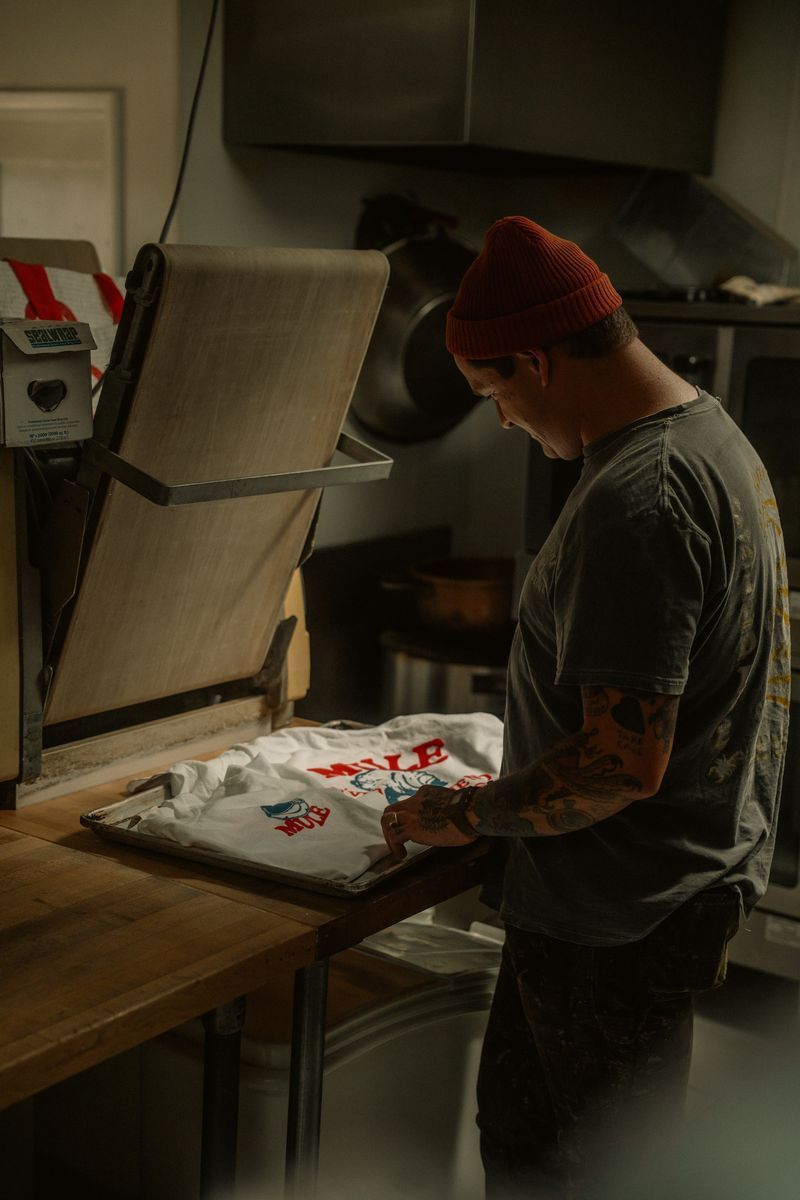
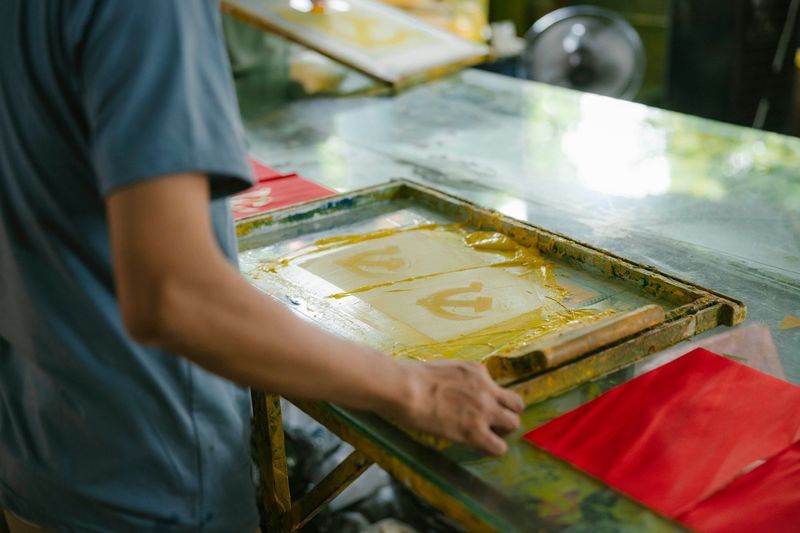
Screen printing forces ink through a mesh stencil onto fabric. Each color requires a separate screen, and complex designs with gradients or photographic elements are extremely difficult to reproduce. The mesh count (typically 86-305 threads per inch) directly limits detail resolution, and color registration between screens can cause misalignment artifacts.
DTF Printing Process
DTF printing uses a digital inkjet printhead to deposit CMYK + white ink directly onto a special PET transfer film. The process involves five steps:
- Design printing - CMYK inks are jetted onto PET film at 720-1440 DPI
- White ink layer - A white underbase is printed for opacity on dark fabrics
- Hot-melt powder application - Adhesive powder is applied to wet ink
- Heat curing - Powder melts and bonds with ink at 160-170 degrees Celsius
- Heat press transfer - Cured design is transferred to fabric under heat and pressure
This digital workflow eliminates screens, plates, and color separation limitations, enabling photorealistic reproduction that traditional methods cannot match.
Key Print Quality Advantages of DTF
Higher Resolution
DTF achieves 720-1440 DPI compared to screen printing's effective 150-300 DPI. Fine lines, small text, and intricate patterns remain crisp and legible.
Vibrant Color Reproduction
Advanced ink technology and precise digital color management deliver accurate, saturated colors that faithfully represent the original design.
Smooth Gradients
DTF handles color transitions seamlessly without banding, making it ideal for photographic images, shadows, and multi-color blends.
Strong Opacity on Dark Fabrics
The white ink underbase provides excellent coverage on dark materials without the multiple flashing passes required in screen printing.
No Color Limits
DTF prints unlimited colors in a single pass. Screen printing requires separate screens for each color, increasing cost and complexity.
Superior Durability
DTF prints withstand 50+ washes without fading or cracking, rivaling screen printing longevity while maintaining soft hand feel.
Detailed Quality Comparison: DTF vs Screen Printing vs DTG
| Quality Factor | DTF Printing | Screen Printing | DTG Printing |
|---|---|---|---|
| Max Resolution | 1440 DPI | 300 DPI (mesh-limited) | 1200 DPI |
| Color Count | Unlimited | 1-12 (cost per color) | Unlimited |
| Gradient Quality | Excellent, smooth | Poor, halftone dots | Good |
| Detail on Small Text | Excellent (2pt+) | Limited (6pt+) | Good (3pt+) |
| Opacity on Dark Fabric | Excellent | Good (multiple passes) | Moderate |
| Wash Durability | 50+ washes | 50-80 washes | 30-50 washes |
| Hand Feel | Soft, flexible | Thick, rubbery | Very soft |
| Photo Reproduction | Photorealistic | Poor without CMYK process | Good |
| Fabric Versatility | Cotton, poly, nylon, blends | Cotton primarily | Cotton primarily |
| Setup for New Design | None (digital) | Screens per color | None (digital) |
Real-World Quality Performance and Market Data
Industry testing and market analysis reveal compelling evidence of DTF's quality superiority:
- A 2024 comparative study found DTF prints retained 92% color vibrancy after 50 washes, compared to 85% for screen printing and 78% for DTG
- DTF's ability to print on cotton, polyester, nylon, and blends makes it 3x more versatile than DTG, which struggles with synthetic fabrics
- For designs with 6+ colors, DTF reduces production cost by 40-60% compared to screen printing, which charges per color
- The global DTF printing market is projected to grow at 22.5% CAGR through 2030, driven by demand for high-quality custom apparel
- Small batch orders (1-50 pieces) cost 50-70% less with DTF than screen printing due to zero setup costs
FCOLOR has integrated advanced DTF printing technology across our product lines, delivering the print quality advantages that modern apparel businesses demand. Our DTF printers are engineered to maximize color accuracy, detail resolution, and wash durability while maintaining competitive operational costs.
When Traditional Methods Still Have an Edge
While DTF excels in most quality metrics, traditional methods retain advantages in specific scenarios:
- Large-volume single-color runs - Screen printing remains faster and cheaper for 500+ identical one-color designs
- Specialty inks - Metallic, glitter, puff, and discharge inks are more established in screen printing
- Ultra-thin hand feel - DTG produces the softest hand feel on light-colored 100% cotton garments
- Extremely large formats - Traditional methods can cover larger print areas without film seams
However, DTF technology continues to close these gaps with innovations in ink formulations, thinner film materials, and wider print widths.
Technical Factors Behind DTF Quality Superiority
Several technical elements contribute to DTF's superior print quality:
Ink Technology
DTF uses specially formulated water-based pigment inks with high color density and excellent adhesion properties. The CMYK ink set delivers a wider color gamut than traditional plastisol inks, while the white ink provides exceptional opacity for dark garment printing.
Powder Adhesion System
The hot-melt adhesive powder creates a molecular bond between ink and fabric fibers. This bonding mechanism produces prints that are more flexible and durable than the ink-sitting-on-surface approach of some traditional transfer methods.
Digital Color Management
DTF printers use RIP (Raster Image Processor) software with ICC color profiles to ensure accurate color reproduction. This digital color management system consistently matches design colors, unlike screen printing where ink mixing and screen setup introduce variability.
Film Transfer Technology
The PET transfer film provides a perfectly smooth printing surface, eliminating the fabric texture interference that can degrade print quality in direct-to-garment printing. The result is sharper edges, cleaner details, and more uniform color distribution.
Print Quality Optimization Checklist for DTF
- Use high-resolution artwork (300 DPI or higher) for best detail reproduction
- Calibrate ICC color profiles regularly to maintain color accuracy
- Ensure proper white ink coverage for opaque transfers on dark fabrics
- Apply adhesive powder evenly and remove excess before curing
- Maintain curing temperature at 160-170 degrees Celsius for optimal powder melting
- Use appropriate heat press pressure (medium-firm) for complete transfer
- Allow prints to cool before peeling film for clean edge definition
- Post-press for 10-15 seconds to improve wash durability
Related Questions
Experience Superior Print Quality with FCOLOR DTF Printers
Ready to upgrade your print quality? FCOLOR DTF printers deliver the resolution, color vibrancy, and durability that set your products apart. Contact us today for a personalized consultation and quality comparison demonstration.